Cockalier Mom: A Designer's Review for Embroidery Projects
As a designer who has spent years navigating the intersection of digital assets and physical thread, I approach every new file with a critical eye. The market is flooded with generic clip art, but finding a Cockalier Mom design that translates well from screen to fabric requires a different kind of scrutiny. This isn't just about downloading a file; it is about understanding how the lines will behave under tension, how the curves will hold up on stretchy knits, and whether the sentiment resonates with the customer buying your finished product. When I first opened the Cockalier Mom graphic, I was immediately struck by its potential as a staple for pet-loving clients, but I knew the real test would come during the digitization and stitching phase.
First Impressions: Mood and Visual Weight
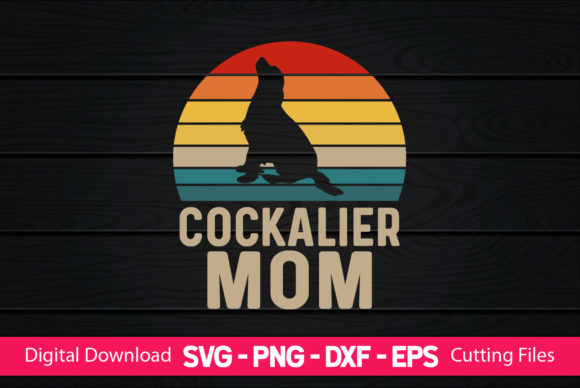
The initial visual impact of the Cockalier Mom design is warm and inviting. It captures that specific blend of pride and affection that dog owners feel, making it an instant hit for personalized gifts. From a layout perspective, the composition feels balanced, avoiding the common pitfall of being too top-heavy or having awkward negative space. However, as a professional reviewer, I always look beyond the aesthetic appeal to the structural integrity of the lines. For a project like this, the clarity of the text combined with the dog illustration is crucial. If the lettering is too thin, it risks disappearing in dense fill stitches, while overly thick outlines can make the design look blocky on smaller items.
In my experience, designs categorized under Print Templates often serve as the foundation for more complex applications. While the description notes this is a print-ready file for cutting machines like Cricut and Silhouette, many of us repurpose these vector shapes into machine embroidery designs. The clean lines of the Cockalier Mom graphics suggest it could be adapted beautifully for satin stitch borders or intricate fill work, provided the digitizer pays attention to the curve radius of the text.
Real-World Application: From Tote Bags to Sweatshirts
Let's talk about a real scenario. Imagine you are preparing a custom embroidered sweatshirt for a client who wants to celebrate her new Cockalier puppy. You need a design that looks crisp on heather grey fleece but doesn't crack after a few washes. Using the Cockalier Mom design here offers a fantastic opportunity. The sentiment is perfect for holiday embroidery or birthday gifts, creating an emotional connection that drives sales for any small shop product.
I envision this design working exceptionally well on tote bags and aprons. The flat surface of a canvas tote allows for a larger hoop size, giving you room to expand the design without compromising detail. On a kitchen towel or pillow cover, the soft texture of the fabric complements the playful nature of the graphic. For baby embroidery, such as a onesie or a nursery blanket, the design needs to be scaled down carefully. In these cases, the simplicity of the Cockalier Mom lines becomes an asset, ensuring that even at a smaller scale, the image remains recognizable and cute.
However, when moving to curved surfaces like caps or hats, caution is required. The text in the design might wrap awkwardly if not adjusted properly. As an apparel decorator, I would likely separate the text from the dog illustration for cap projects, placing the text on the front panel and the graphic on the side, or vice versa, to maintain readability. This strategic placement enhances the visual appeal and ensures the finished product looks professional rather than rushed.
Navigating Fabric Challenges and Stitch Density
One of the most critical aspects of using any digital file for embroidery is understanding how it interacts with different fabric textures. The Cockalier Mom design, with its mix of organic shapes and typography, demands careful consideration of stitch density. On textured fabrics like denim or heavy cotton, a higher density fill stitch works wonders to anchor the design. Conversely, on thin or stretchy fabrics like jersey knit, excessive density can cause puckering, ruining the drape of the garment.
When working with dark fabric backgrounds, the choice of thread colors becomes paramount. A white outline around the black or colored elements of the Cockalier Mom design can provide necessary contrast, making the details pop. Without this separation, the design might get lost against a navy or charcoal background. Additionally, using a proper stabilizer is non-negotiable. For a sweatshirt embroidery project, a cutaway stabilizer will support the weight of the stitches, while a tear-away might suffice for a structured tote bag.
There are also areas where this design should be used with care. Tiny lettering within the "Mom" text could become illegible if the hoop size is too small. I always advise testing the design on scrap fabric first to check for any gaps in the running stitch or issues with the satin stitch edges. If the design includes decorative accents, ensure they do not create dense stitch areas that pull the fabric. Frequent washing is another factor; a well-stitched Cockalier Mom patch or applique design should withstand the rigors of laundry, but poorly executed digitization can lead to fraying threads over time.
Strategic Value for Craft Businesses and Etsy Sellers
For the creative entrepreneur or Etsy seller, the value of a design extends beyond its visual charm. It impacts brand consistency and customer trust. Offering a high-quality Cockalier Mom embroidered item signals professionalism. Customers buying handmade products expect precision. If the stitching is messy or the alignment is off, it reflects poorly on your entire shop. By taking the time to review the design assets and mock them up in both light and dark scenarios, you ensure that what the customer sees online matches the reality of the finished product.
This design fits perfectly into a portfolio of commercial embroidery projects. Whether you are creating boutique branding merchandise or personalized gifts for a craft fair, the versatility of the Cockalier Mom graphic allows for endless customization. You can pair it with other design assets to create bundles, such as matching shirts for the mom and the dog, or coordinate it with seasonal themes for holiday embroidery collections.
Practical Designer Notes Before You Stitch
- Test First: Always run a test stitch on a similar fabric to your final project to check thread tension and density.
- Check Contrast: Ensure the thread colors chosen stand out against the fabric, especially for the text elements.
- Hoop Size Matters: Verify that your hoop can accommodate the full width of the design without distorting the proportions.
- Stabilizer Selection: Match the stabilizer type to the fabric weight to prevent shifting or puckering.
- Licensing Check: Since this is a digital file, confirm the license terms before selling finished items or using it for commercial embroidery projects.
- Digital Conversion: Remember that while this is marketed as a cutting file, converting it to a machine embroidery design requires careful digitization to handle the curves effectively.
Ultimately, the Cockalier Mom design is a strong contender for any maker looking to add heart and personality to their inventory. With the right preparation, attention to stitch details, and thoughtful application, it can transform a simple piece of fabric into a cherished keepsake. As designers, our job is to bridge the gap between a digital idea and a tangible memory, and this design provides a solid foundation for doing just that.