Life Doesn’t Come with a Manual: A Designer Review
As someone who has spent years navigating the intersection of digital art and physical stitching, I approach every new machine embroidery design with a specific set of questions. Does it translate from screen to fabric? Will it hold up after a wash cycle? And most importantly, does it carry an emotional weight that justifies the time and thread required to stitch it? When I first opened the files for Life Doesn’t Come with a Manual, my immediate reaction was one of relief. In a market often saturated with over-complicated graphics, this design offers a grounded, relatable sentiment that feels perfect for the current craft landscape.
The Visual Personality and First Impression
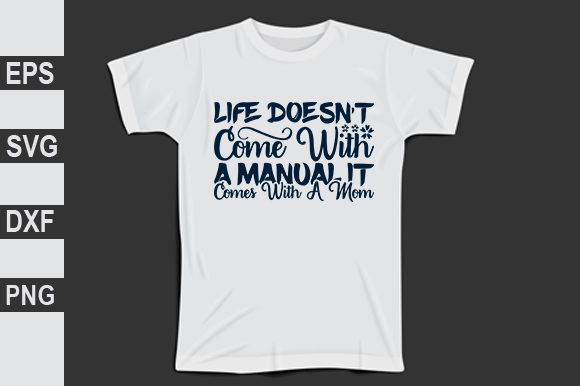
The core appeal of Life Doesn’t Come with a Manual lies in its straightforward honesty. The phrase itself is a cultural touchstone, particularly for parents, caregivers, and anyone who has ever felt the chaos of daily life. Visually, the design avoids unnecessary flourishes, focusing instead on clean typography and balanced spacing. This makes it an excellent candidate for T-Shirt Designs where readability is paramount. Unlike intricate floral arrangements or dense illustrative pieces, this graphic relies on the power of the message. For an Etsy seller or a boutique owner, this clarity is a significant asset. It allows the customer to instantly connect with the product without needing to squint at tiny details.
When reviewing the Graphics provided in the ZIP file, which includes EPS, SVG, PNG, and DXF formats, I appreciate the versatility. While the description highlights these as vector and raster files, it is crucial for the embroiderer to remember that these are primarily digital assets intended for conversion into a stitch file. Whether you are using them to create a custom embroidered patch or planning a direct-to-garment application, the clean lines suggest that the design will convert well into both satin stitch for outlines and fill stitch for lettering, provided the font weight is sufficient.
A Real-World Scenario: The Custom Tote Bag Project
To truly understand how this design performs, let’s walk through a practical scenario. Imagine you are preparing a batch of organic cotton tote bags for a local craft fair. You want something that speaks to the busy moms and creative entrepreneurs in your community. You load the Life Doesn’t Come with a Manual design into your machine, aiming for a chest placement on the bag.
In this context, the design shines. Because the text is the focal point, it works beautifully on the structured surface of a canvas tote. The stitch density appears manageable, meaning you won’t need excessive layers of backing that might stiffen the fabric. When stitched in a high-contrast color—perhaps a deep charcoal thread on a cream bag—the message pops immediately. Customers picking up these bags aren’t just buying a carrier; they are buying a statement piece that validates their daily struggles. This level of personalized gift potential is exactly what drives sales in the handmade sector. The finished product feels professional, yet deeply personal, striking a balance that many commercial designs fail to achieve.
Navigating Fabric and Hoop Challenges
While the design is robust, it is not immune to the physics of embroidery. As a reviewer, I must advise caution when applying Life Doesn’t Come with a Manual to certain materials. If you are considering this for a sweatshirt embroidery project, pay close attention to the fabric texture. Heavy fleece can sometimes swallow smaller text if the hoop size isn't large enough to keep the fabric taut. Similarly, on stretchy fabrics like jersey knits, the tension of the needle can cause the letters to pucker if the wrong stabilizer is used.
Another area requiring careful thought is the use of dark fabrics. While the design looks great in black and white mockups, translating it to a navy blue sweatshirt requires a thoughtful selection of thread colors. A standard white fill might look stark, whereas a soft gray or a metallic silver could elevate the aesthetic significantly. Always test the design on scrap fabric first. Check how the running stitch handles the curves of the letters and ensure there are no gaps in the fill stitch that would show the background fabric through. These small details define the difference between a hobbyist project and a premium handmade product.
Strategic Applications for Small Business Owners
For those running a craft business, this design offers a wide range of applications beyond simple apparel. Consider using it for baby embroidery items, such as onesies or receiving blankets. The message resonates deeply with new parents who are navigating sleepless nights and learning curves. Alternatively, it works exceptionally well as a kitchen towel design or an apron accent, adding a touch of humor to functional home goods. Even holiday embroidery projects can benefit from this sentiment, serving as a unique gift for mothers-in-law, sisters, or friends during the festive season.
If you are looking to expand your digital offerings, the included SVG and DXF files make this a viable asset for creating printable mockups or selling as part of a larger bundle of design assets. However, always confirm the licensing terms before selling finished items or the digital files themselves. Ensuring you have the right to use the design for commercial embroidery protects your business reputation and builds customer trust.
Practical Designer Notes for Success
- Test Stitching: Always run a test on a similar fabric to check stitch density and tension before committing to a client order.
- Stabilizer Choice: Use a cutaway stabilizer for stretchy garments and tear-away for stable fabrics like canvas to prevent distortion.
- Color Contrast: Ensure the thread color contrasts sharply with the fabric background to maintain legibility of the text.
- Hoop Size Verification: Confirm that your hoop can accommodate the full width of the phrase without cutting off the ends.
- Licensing Check: Verify that the license covers the specific type of finished product you intend to sell, whether it is a tote bag design or a digital embroidery file.
Ultimately, Life Doesn’t Come with a Manual is more than just a collection of vectors; it is a tool for connection. When executed with care, proper stabilization, and thoughtful color choices, it transforms ordinary textiles into meaningful keepsakes. Whether you are decorating a single cap for a friend or producing a line of small shop products for your online store, this design offers the reliability and emotional resonance that modern consumers crave. It is a reminder that while we may not have instructions for life, we certainly have the creativity to make our journey look beautiful.