Reviewing the Mom T-shirt Design for Real Projects
As a designer who has spent years navigating the intersection of digital art and physical stitching, I approach every new asset with a critical eye. The market is flooded with generic graphics, but finding a piece that translates well from screen to fabric is a different story. Recently, I tested the Mom T-shirt Design to see if it holds up under the pressure of real-world production. Whether you are an Etsy seller prepping for Mother's Day or a boutique owner looking to refresh your custom apparel line, understanding how a design behaves before you commit to thread is essential.
First Impressions: Mood and Visual Weight
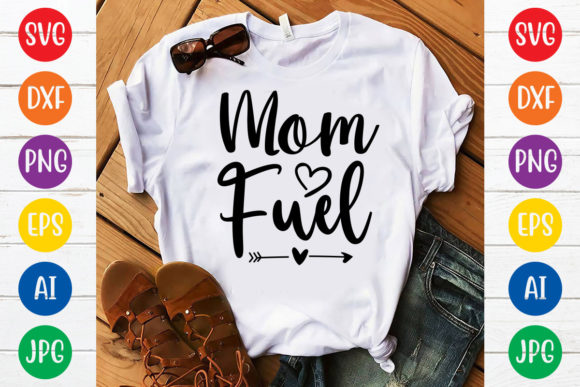
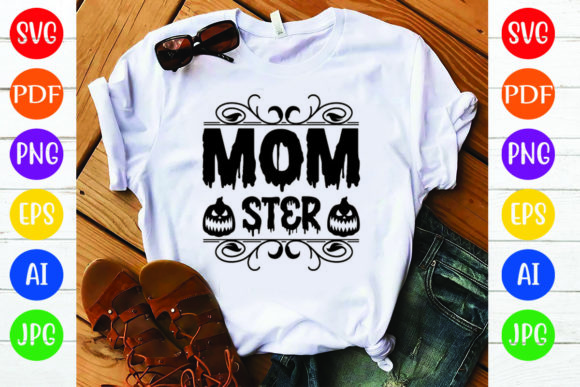
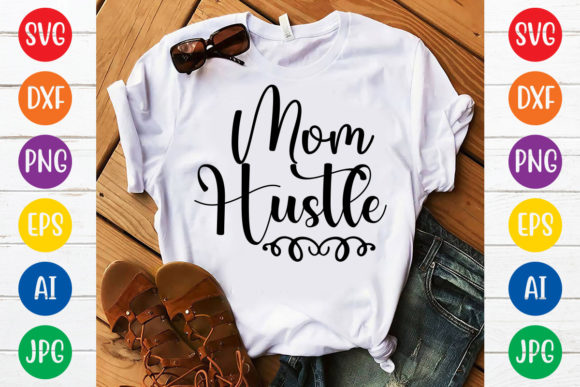
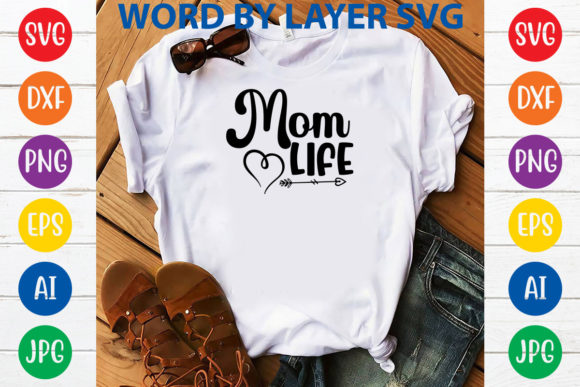
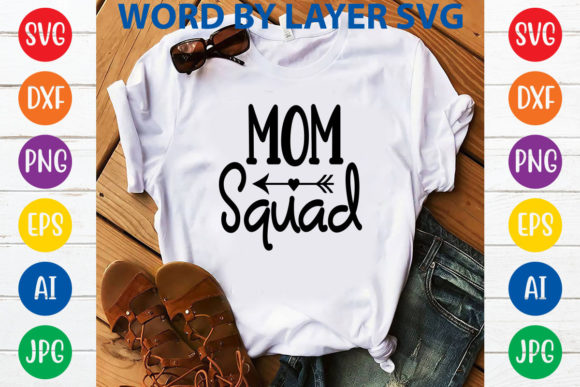
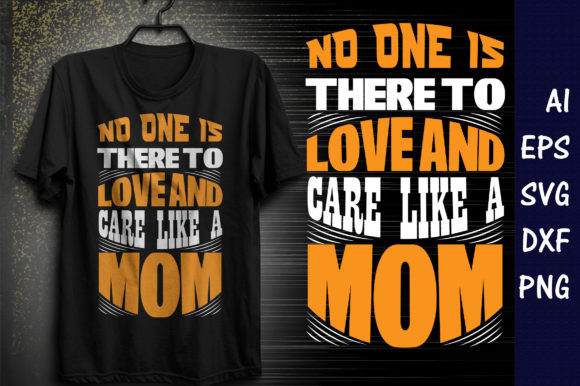
When I first opened the Mom T-shirt Design in my vector software, the immediate impression was one of warmth and classic appeal. This isn't a chaotic, over-stitched graphic; it feels intentional. The layout balances negative space with solid shapes, which is crucial when converting a 300dpi image into a machine embroidery design. In the world of T-Shirt Designs, simplicity often wins because it ensures clarity on textured fabrics. The visual personality here suggests versatility. It doesn't scream "trendy" in a way that will date quickly; instead, it feels like a staple that could work on a sweatshirt today and a tote bag five years from now.
The file package itself is comprehensive, offering DXF, SVG, Transparent PNG, EPS, and AI formats at 300dpi. For a professional workflow, having these high-resolution Graphics means I can manipulate the scale without losing definition. However, having the files is only half the battle. The real test comes when we talk about stitch density and how the lines translate to thread.
Testing the Design in Real-Life Scenarios
To truly evaluate this asset, I imagined a specific scenario: preparing a batch of personalized gifts for a local craft fair. My goal was to create a set of embroidered patches and custom tote bags. The Mom T-shirt Design immediately stood out as a strong candidate for a tote bag design. The structural integrity of the lines suggests it would hold up well against the weave of canvas, provided the stitch density is managed correctly.
I also considered using it for sweatshirt embroidery. On a fleece or cotton blend, the softness of the fabric can sometimes swallow fine details. With this design, the bold elements would likely remain visible, making it a safe bet for custom apparel. If I were scaling this down for a cap or a small embroidered patch, I would need to be cautious. While the main shapes are robust, any tiny lettering or delicate flourishes might get lost in the curve of a hat brim or the limited space of a small hoop. This is a common pitfall where a beautiful digital file fails to deliver a crisp finished product.
For those running a craft business, the ability to use this design across multiple product types is a significant advantage. It works equally well as a personalized gift for a grandmother or as part of a cohesive small shop product line. The design's neutral yet affectionate tone makes it suitable for holiday embroidery projects beyond just Mother's Day, potentially extending into spring collections or birthday merchandise.
Navigating Fabric and Hoop Challenges
No design is perfect for every surface, and the Mom T-shirt Design requires thoughtful placement. When working with textured fabrics like denim or heavy twill, the contrast between the thread and the background becomes paramount. I always recommend testing the design on scrap fabric first. This allows you to check if the fill stitch covers the fabric texture adequately without puckering.
One area where caution is needed is with thin or stretchy fabrics. If you attempt to embroider this on a lightweight jersey tee without the proper stabilizer, the tension from the needle can distort the shape. The design relies on clean lines, and fabric distortion can ruin that aesthetic. Similarly, on dark fabrics, you must consider the thread colors carefully. A light-colored machine embroidery design on black requires a backing layer of white fill to pop, which increases the stitch count and cost. Always review your thread colors against your fabric choice before starting the run.
Another consideration is the hoop size. While the vector files allow for resizing, shrinking a design too much can lead to tangled threads and poor registration. If you are planning to use this for baby embroidery on a onesie, ensure the final dimensions fit within your smallest hoop while maintaining legibility. Curved surfaces, like the front panel of a cap, also demand attention. The flat geometry of the original digital embroidery file may need slight adjustments to account for the curvature of the final item.
Impact on Brand and Customer Perception
For an Etsy seller or anyone selling handmade goods, the quality of your embroidery directly impacts customer trust. A sloppy stitch job can make even the best design look cheap. Conversely, a well-executed version of the Mom T-shirt Design elevates the perceived value of the item. Customers buying a handmade product expect precision. They want to see that the running stitch is tight, the satin stitch edges are smooth, and there are no loose threads.
This design supports brand consistency because its style is adaptable. You can pair it with various color palettes to match your shop's aesthetic. Using printable mockups to showcase the design on different garments helps potential buyers visualize the final result, increasing engagement and sales. In the competitive world of commercial embroidery, presenting a professional image is key. This asset provides a reliable foundation for building that reputation.
Practical Notes for the Designer
Before you commit to a full production run, take the time to prepare properly. Here are my top recommendations for working with this file:
- Test on Scrap Fabric: Never skip this step. Stitch a sample to check for puckering and thread breaks.
- Check Contrast: Ensure your thread colors stand out against the fabric, especially for dark backgrounds.
- Verify Licensing: Confirm whether the license allows you to sell finished items or if it is restricted to personal use. This is vital for commercial embroidery projects.
- Use Proper Stabilizer: Choose a stabilizer that matches your fabric weight to prevent shifting during stitching.
- Inspect Small Details: Zoom in on the design to ensure no tiny elements will disappear when stitched.
- Mockup Testing: Create both black and white printable mockups to see how the design reads in different lighting conditions.
In conclusion, the Mom T-shirt Design is a versatile and reliable asset for designers who value quality and practicality. It bridges the gap between digital creativity and tangible craftsmanship. By respecting the limitations of the medium and preparing your materials correctly, you can turn this simple graphic into a standout feature of your next collection. Whether you are making a single personalized gift or stocking shelves for a holiday rush, this design offers the flexibility and charm needed to succeed.