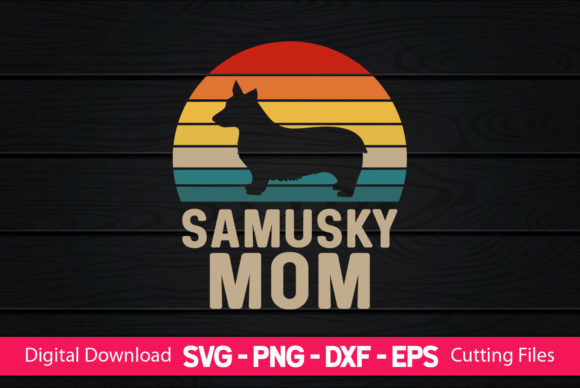
Samusky Mom: A Designer's Practical Review
As a designer who has spent years navigating the intersection of digital assets and physical craftsmanship, I approach every new file with a critical eye. The market is flooded with Print Templates and Graphics, but very few translate well from a screen to a stitched reality. When I first opened the Samusky Mom design file, my immediate goal was to determine if it belonged in my commercial portfolio or if it was merely another novelty item destined for the bottom of a craft drawer. This review breaks down how this specific asset performs when moved from a digital download to a real-world embroidery project.
First Impressions: Visual Weight and Mood
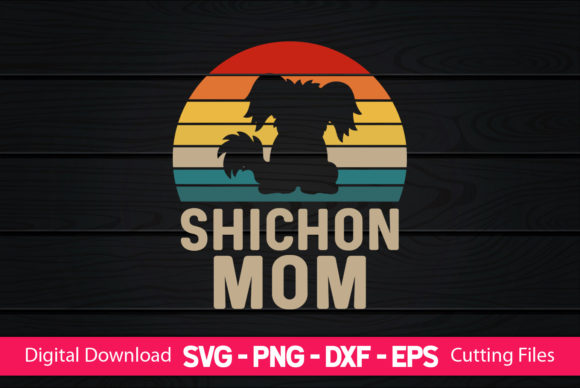
The initial look at Samusky Mom suggests a bold, affectionate statement piece. In the realm of custom apparel, designs that balance text and imagery without feeling cluttered are rare gems. The layout appears clean, which is crucial for machine embroidery where stitch density can quickly overwhelm a small area. Unlike many trendy graphics that rely on excessive detail, this design seems to prioritize strong lines and clear shapes. For an Etsy seller or a boutique owner looking to create cohesive brand merchandise, visual clarity is non-negotiable. If a customer cannot read the sentiment or recognize the motif from a distance, the product loses its impact.
However, there is a critical distinction to make immediately. The product description explicitly lists this as a "digital file for cutting machines" compatible with Cricut and Silhouette, offering formats like SVG, PNG, DXF, and EPS. While these are excellent for vinyl application or laser cutting, they are not native machine embroidery design files (such as .PES, .DST, or .JEF). As a professional, I must advise that using this as a direct embroidery file requires digitization. You cannot simply load an SVG into an embroidery machine and expect satin stitches to appear. You would need to convert the vector paths into a stitch file, adjusting for stitch density and underlay manually.
Real-World Application: From Screen to Fabric
Let’s imagine a practical scenario: a client wants a personalized tote bag design for a Mother's Day gift shop. They want the Samusky Mom graphic applied to heavy canvas. If we were to treat this as a cut-and-sew applique or a heat-transfer vinyl project, the clean lines of the Graphics file work beautifully. The shapes are distinct enough to be weeded easily, ensuring no tiny bits of vinyl remain behind the lettering.
But what if we are talking about actual stitching? Suppose you decide to digitize this design for a sweatshirt embroidery project. The success here depends entirely on how the curves and corners are rendered. In my experience, designs with tight corners often struggle with fill stitch unless the digitizer adds pull compensation. If the Samusky Mom text contains sharp serifs or intricate flourishes, these areas might require running stitch outlines rather than dense fills to prevent puckering on thick fleece. For a personalized gift, the difference between a crisp edge and a bunched-up mess is the difference between a five-star review and a refund request.
Consider also the application on a baby embroidery item, such as a onesie or a blanket. Soft fabrics demand lighter thread colors and less aggressive anchoring. If the original vector art has very thin lines, converting them to embroidery might result in gaps where the fabric shows through, ruining the visual appeal. Conversely, if the design is too dense, it could make the garment stiff and uncomfortable for a child. Always test the design on scrap fabric first to gauge how the hoop size accommodates the full artwork without distorting the proportions.
Navigating Technical Limitations and Fabric Choices
Every designer knows that the devil is in the details, especially regarding fabric texture. Samusky Mom would likely perform best on stable, medium-weight materials like cotton twill or denim. However, applying this design to stretchy knits or textured fabrics like linen requires caution. On a cap or a curved surface, the flat nature of the original vector might distort during the digitization process. You must ensure that the commercial embroidery version accounts for the curvature of the hoop.
Furthermore, consider the background color. A dark sweatshirt demands a different approach than a light pillow cover. If the design relies on white thread for contrast, you may need to add a backing layer or use a stabilizer that prevents show-through. For holiday embroidery projects where time is tight, having a pre-tested setup is vital. If you are rushing to produce small shop product inventory for a craft fair, do not assume the design will stitch perfectly on the first try. The complexity of the lettering in Samusky Mom means that thread colors must be chosen carefully to maintain legibility against various backgrounds.
Strategic Advice for Craft Business Owners
For those running a craft business, understanding the licensing and technical requirements is just as important as the aesthetic. Since this product is sold as a cutting file, you must verify the license terms before selling finished items. Some licenses allow for personal use only, while others permit limited commercial sales. Never assume a free or low-cost download grants unlimited rights to sell finished product goods. Check the documentation thoroughly to avoid legal issues that could shut down your Etsy shop.
If you choose to digitize this yourself, pay close attention to the design assets provided. Are the layers separated? Can you isolate the text from the graphics? Having control over individual elements allows you to adjust the hoop size dynamically. Perhaps you want to use just the icon for a custom apparel patch and the text separately for a larger embroidered patch on a jacket. Flexibility increases the value of the asset significantly.
Before committing to a large production run, create a printable mockup to visualize the final look. Test the design in black and white to see if the contrast holds up without relying on color. This step helps identify potential issues with stitch density that might not be obvious on a high-resolution screen. Remember, a design that looks perfect in PNG format can turn into a tangled mess if the digitizing parameters are off.
Final Verdict: Professional Potential
Samusky Mom offers a strong foundation for creative projects, particularly for those skilled in adapting digital vectors for physical media. Its clean aesthetic makes it suitable for handmade product lines ranging from kitchen towels to nursery decor. However, its utility as a direct embroidery file is limited by its current format. It requires the extra step of digitization to become a true machine embroidery design.
For the savvy designer, this is an opportunity to add unique value. By taking the raw Graphics and tailoring the stitch count, underlay, and pull compensation specifically for your target fabric, you create a superior product that generic templates cannot match. Whether you are creating a one-off personalized gift or stocking a boutique with holiday merchandise, the key lies in preparation. Test, adjust, and always prioritize the end-user experience. With the right execution, Samusky Mom can become a standout piece in your collection, proving that thoughtful adaptation beats a quick download every time.