Sloughi Mom: A Designer's Real-World Review
As a designer who has spent years navigating the intersection of digital files and physical stitching, I approach every new asset with a critical eye. When I first encountered the Sloughi Mom design, my immediate reaction was to look past the marketing hype and assess its potential as a functional tool for real projects. This isn't just another graphic; it is a specific statement piece that requires careful handling to translate well from a screen to fabric. The concept of a Sloughi dog paired with the "Mom" sentiment taps into a niche but passionate market of dog lovers who appreciate this elegant breed. However, the true value of Sloughi Mom lies not in the download link, but in how it performs when you actually sit down at your machine.
First Impressions: Visual Weight and Mood
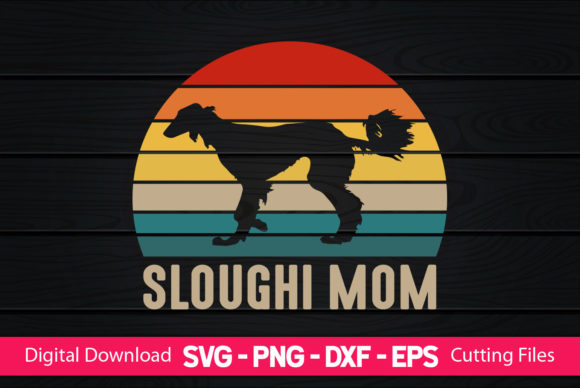
The visual personality of Sloughi Mom is distinct. The silhouette of the Sloughi is naturally sleek and elongated, which presents an interesting challenge for embroidery. Unlike chunkier breeds where details can be lost in dense fill stitches, the Sloughi relies on clean lines to convey its grace. In the context of Print Templates and Graphics, the file appears crisp. But does that crispness survive the needle?
When I visualize this as a machine embroidery design, I see a project that demands precision. The mood is affectionate yet sophisticated. It avoids the clutter often found in generic pet designs. For a small business owner or an Etsy seller, this kind of clarity is a selling point. Customers looking for a personalized gift want something that looks intentional, not like a rushed print. The layout suggests that the text and the dog image are balanced, but you must verify the spacing. If the lettering is too thin relative to the dog's outline, it might get lost in the texture of a heavy sweatshirt.
Real-Life Application: From File to Fabric
Let's imagine a specific scenario. You have a client who wants a custom embroidered tote bag featuring her beloved Sloughi. She wants it to look boutique-quality, not like a mass-produced item. Using Sloughi Mom here is a strong choice, provided you manage the execution correctly. Tote bags offer a large, relatively flat surface, which is ideal for maintaining the integrity of the design's lines.
However, consider the thread colors. If you use a light thread on a dark canvas, the delicate features of the Sloughi might disappear. Conversely, using white thread on a light grey bag could lack the necessary contrast. Before committing to the final product, always create a printable mockup or stitch a test on scrap fabric. This step is non-negotiable for professional results. You need to see how the stitch density holds up. Does the fill stitch on the dog's body feel too heavy? Is the satin stitch on the lettering smooth enough to read clearly from a distance?
This design also translates beautifully to custom apparel like sweatshirts. Imagine a cozy, heather-grey crewneck with Sloughi Mom stitched on the chest. The soft texture of the fleece complements the organic shape of the dog. Yet, this is where the "stretchy fabric" warning comes into play. If the hoop size is too tight or the stabilizer is insufficient, the fabric will pucker around the edges of the design, ruining the sleek aesthetic of the Sloughi. Always use a proper stabilizer that matches the weight of your garment.
Where Caution is Required
While Sloughi Mom is versatile, there are environments where it should be used carefully. Small hoop sizes are a major risk. If you attempt to fit this entire design into a 4x4 inch hoop, the details will likely become muddy. The elongated nature of the Sloughi means the design needs vertical space. Compressing it forces the machine to crowd the stitches, leading to potential thread breaks and poor definition.
Textured fabrics like denim or thick canvas can also be tricky. The natural weave of these materials can interfere with the fine lines of the dog's legs and tail. In these cases, a slightly larger running stitch or a simplified version of the design might be better than trying to force high detail. Similarly, curved surfaces like caps require special attention. The brim of a cap distorts the bottom of the design. If the "Mom" text sits near the curve, it may appear warped after stitching. For caps, you might need to reposition the elements or choose a smaller variant of the design if available.
Dense stitch areas are another consideration. If the original file includes a lot of cross-hatching or complex fills, it might make the finished product stiff. For items like baby clothes or tea towels, where softness is paramount, you must review the digitization. A design that looks great on paper can feel scratchy on a baby's skin if the fill stitch is too aggressive.
Business Value and Commercial Viability
For the Etsy seller or the owner of a handmade shop, Sloughi Mom offers significant potential. It targets a specific demographic—owners of a rare breed—which often leads to higher engagement and willingness to pay for quality. A well-executed embroidered patch featuring this design can become a staple in your inventory. Patches allow you to control the backing and the finish, ensuring the design pops regardless of the garment it is attached to.
However, success depends on professionalism. A poorly stitched design damages your brand reputation. If the threads are loose, the colors are dull, or the placement is off-center, the customer perceives the entire finished product as low quality. Use this design to showcase your skill. Pair it with high-quality cotton threads and ensure the hooping is perfect. This attention to detail builds customer trust and encourages repeat business.
Furthermore, consider the holiday embroidery angle. Pet-themed gifts are perennial bestsellers during the holidays. A Sloughi Mom pillow cover or apron makes for a unique, thoughtful present that stands out from generic store-bought items. The key is to market it effectively. Show customers exactly what they will receive through clear photos of your actual work, not just digital renderings.
Practical Notes for the Designer
Before you start your next project with Sloughi Mom, take a moment to prepare. Check the file formats included. The listing mentions SVG, PNG, DXF, and EPS, which are excellent for cutting machines like Cricut and Silhouette. However, if you are doing traditional machine embroidery, ensure you have the correct embroidery file format compatible with your machine (such as .PES, .DST, or .JEF). Do not assume the SVG file will work directly in your embroidery software without conversion.
Always test the design on scrap fabric first. Stitch it out in black and white to check the structure, then try it with your intended color palette. Inspect small details closely under good lighting. Are the eyes of the dog defined? Is the text legible? If the design feels too dense, don't be afraid to adjust the settings in your software to reduce the number of passes or change the stitch type.
Finally, confirm the licensing terms. Just because you purchased the digital file doesn't automatically mean you can sell unlimited finished products or resell the design itself. Read the license agreement carefully. Most designers allow for a certain number of commercial items, but some restrictions apply. Understanding these rules protects your craft business from legal issues and ensures you respect the intellectual property of the creator.
In conclusion, Sloughi Mom is a promising asset for those willing to put in the effort to execute it correctly. It combines emotional appeal with a stylish aesthetic, making it a valuable addition to your portfolio of design assets. Whether you are creating a one-off personalized gift or stocking a boutique line, the key is to treat the file with the same care you would give to any high-end pattern. With the right stabilizer, thread choices, and testing, this design can elevate your work from simple craft to professional artistry.